
A Shared Journey
At our Waldorf-inspired school, education is a shared journey that extends beyond the classroom. We believe that a child thrives when home and school work together in harmony, creating a strong, supportive foundation for learning and growth.
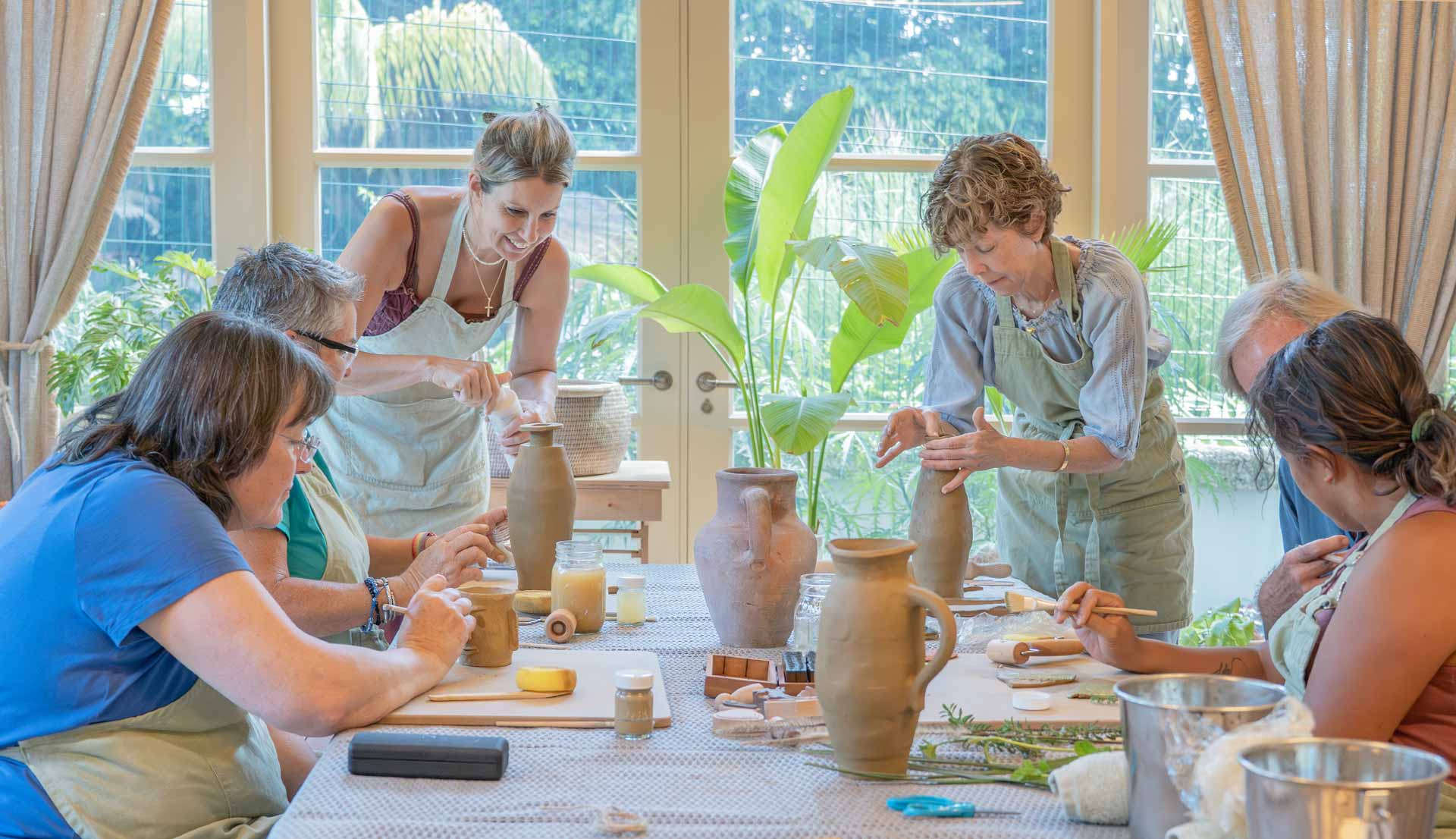
Collaboration with Parents
Parents are an integral part of our school community. We encourage active participation through:
- Regular communication between teachers and families fosters mutual understanding.
- Workshops and parent education to deepen knowledge of child development and Waldorf pedagogy.
- Seasonal festivals and celebrations bring families together to experience the rhythm of the year.
- Class meetings and parent-teacher conferences ensure a collaborative approach to each child’s learning journey.
By engaging in school life, parents gain insight into their child’s development, build meaningful connections, and become part of a warm, supportive community.


A Community-Centred Education
Waldorf education is deeply rooted in human connection. Our school fosters strong ties with the wider community by:
- Incorporating local traditions, crafts, and nature-based experiences into the curriculum.
- Hosting festivals, markets, and artistic performances open to families and friends.
- Encouraging community service and environmental stewardship, instilling responsibility and care for the world.
Through these shared experiences, children develop a deep sense of belonging, responsibility, and appreciation for the interconnectedness of life.
By working together – parents, teachers, and the wider community – we create a nurturing environment where children feel seen, valued, and inspired to grow into confident, compassionate individuals.
“A healthy social life is found only, when in the mirror of each soul the whole community finds its reflection, and when in the whole community the virtue of each one is living.”
Honouring Childhood Before Screens
At Marinela, we embrace a slower pace—one where imagination, movement, and real-world connection come before digital engagement. In a world full of noise and distraction, we protect the precious space childhood needs to unfold, so children can grow with clarity, presence, and depth.
Media and Technology Philosophy
At Marinela, we believe in fostering deep, meaningful connections – with people, nature, and real-world experiences – before introducing children to the digital world. In today’s media-saturated society, children spend less time in active play, creative exploration, and face-to-face interactions. Research shows that excessive screen exposure can alter brain development, impact social skills, and reduce imaginative capacity. Our approach prioritises experiential learning, ensuring children develop strong cognitive, emotional, and social foundations before engaging with technology.


A Thoughtful, Developmentally-Aligned Approach
We advocate for a slow-tech philosophy – introducing media and technology intentionally and age-appropriately. In early childhood and the lower grades, our screen-free classrooms emphasise music, storytelling, movement, and hands-on learning. This allows children to develop focus, creativity, and a deep engagement with the world. As students grow, they gradually encounter technology as a tool, rather than a distraction, ensuring they develop critical thinking and responsible digital habits.
Early Childhood and Elementary:
Hands-On, Screen-Free Learning
In our early years and elementary classrooms, children are immersed in sensory-rich experiences — baking, painting, handicrafts, outdoor play, and music. We partner with parents to limit screen exposure at home, allowing young minds to develop through direct experience rather than passive consumption.


Looking Ahead: Preparing for a Digital World
Children leave Marinela at the end of Grade 6, ready to meet technology on their own terms. The years of screen-free, hands-on learning behind them build the focus, patience and independent thinking that make a thoughtful relationship with technology possible later on.
We work with families approaching this transition, sharing guidance on introducing media at home and choosing next schools whose values align with the foundation your child has built here.
A Like-Minded Community
Choosing a Waldorf education means embracing a media-lite lifestyle. At Marinela, we support families in making thoughtful choices about screen time, fostering a culture where children are free to develop their imaginations, engage in rich social interactions, and experience life in its fullest, most tangible form. We are not anti-technology; we are pro-human.

Where Wonder Meets Learning
Begin your child's journey with Marinela Holistic Education.
